

Thinking about moving your life to canals, cafes and cycling lanes? Great choice. Amsterdam blends historic charm with modern efficiency, and—done right—your move can mirror that same combination.
Why Amsterdam—and Why Plan Early
Amsterdam’s compact layout, strong public services and international mindset make relocation straightforward. However, successful moves start early. Therefore, begin planning 8–12 weeks before your shipment date. Moreover, early planning locks in better—rates, ensures documents arrive on time and secures delivery slots in a busy city center. For that reason, align your timeline with your lease start, flight datez and municipal registration.
Step 1: Choose the Right Shipping Method
First, decide how your belongings will travel.
Sea Freight(FCL & LCL):
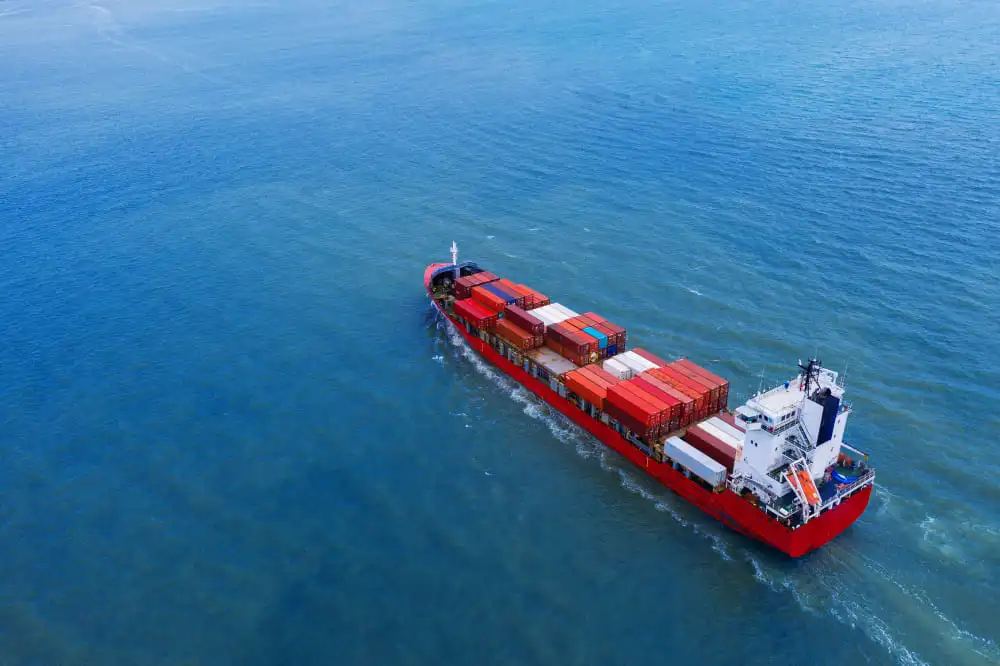
Typically, sea freight offers the best value for whole home moves. For example, a 20-foot container suits a 1–2-bedroom home, while a 40-foot container fits larger households. Alternatively,if you have fewer items, LCL(Less than Container Load) combines your goods with other shipments.
Air Freight:
Meanwhile, air freight suits urgent or high value items. Still, it costs more per kilo and has stricter size limits. Consequently, many families send essentials by air and the rest by sea. Get details about International Moving Company in Abu Dhabi.
Step 2: Compare Movers—Not Just Prices
Next, choose a mover that understands Dutch logistics. Importantly, compare door to door moving quotes, not just port to port. Additionally, confirm who handles customs clearance in the Netherlands, city center delivery with hoists, parking permits and stair carries common in canal houses.
When you request quotes, include:
- A room by room inventory with estimated volumes (in cubic meters).
- Origin and destination access notes (elevators, narrow streets, top—floor walk-ups).
- Packing needs (full pack, fragile pack, or owner-packed).
- Desired transit times and earliest/latest delivery windows.
Step 3: Master the Paperwork (So Customs Says “Welkom!”)
Then, assemble your documents early. Generally, you’ll need:
- Passport copy and destination address in Amsterdam.
- Detailed packing list or inventory with values and serial numbers for electronics.
- Proof of residence or employment (rental contract, job letter, or university enrollment).
- Insurance certificate if you opt for full—value coverage.
Crucially, label used personal items clearly. In many cases, household goods you’ve owned and used before the move qualify for import with tax relief when part of a relocation. Nevertheless, rules vary by situation. Accordingly, your mover’s customs broker will guide you based on your status(work, study, family reunification, or return of residence).
Step 4: Pack Like a Pro (or Hire One)
After that, decide whether to self-pack or hire professionals.
Professional Packing:
- Often, movers use export-grade cartons, double walled boxes, and custom crating for art or glass. As a result, claims drop and customs inspections go faster.
Self-Pack:
- If you pack your own things, use strong, uniform—boxes and make a numbered list that matches each box. Also,don’t pack things that aren’t allowed, like dangerous chemicals, paint or things that can catch fire. Also,don’t put your passport,keys and other important things in the container.
Step 5: Manage Costs Wisely
Naturally, budgeting early helps. Typically, your total move cost includes:
- Origin services: survey, packing, loading, pickup.
- International freight: sea or air.
- Destination services: customs clearance, delivery, stair carries, possible external hoist, debris removal.
- Optional add-ons: full-value insurance, storage-in-transit, handyman services.
Furthermore, location matters. Frequently, containers—land via Port of Rotterdam or Port of Antwerp, then travel by truck to Amsterdam. Consequently, remote streets ,permit zones, or festival closures can add access fees. Therefore, share your exact address and photos of the street with your mover. Get details on International Moving Company in Dubai.
Step 6: Time Your Move
Usually, sea shipments to the Netherlands take 4–8 weeks port-to-door depending on origin and season. Meanwhile, air shipments can arrive within days. Even so,factor in customs processing and local scheduling. Thus, keep a “go—bag” of essentials for the first week: bedding, a few pans, adapters (Type C/F plugs) and weather-appropriate gear.
Step 7: Delivery Day in Amsterdam
On delivery day, crews may need a parking permit or temporary road space reservation. Accordingly, arrange this in advance. Also, many Amsterdam homes have steep staircases; movers might use an exterior ladder lift to bring furniture through a large window. Additionally, check building rules and elevator booking times. Finally,confirm whether crews will reassemble beds and remove packing debris.
Step 8: Settle In Smoothly
Right after delivery, handle a few admin tasks:
- Municipal registration (BRP) at your local stadsdeel (district) to obtain your BSN number.
- Health insurance enrollment within the required timeframe once you’re working in the Netherlands.
- Bank account setup using your BSN and residence documents.
- Utilities and internet activation; some providers install within a week, so book early.
Consequently, your relocation becomes more than a shipment—it becomes a streamlined start.
Common Pitfalls—and How to Avoid Them
First, don’t under declare values; instead, be accurate and keep receipts for high value electronics. Second, don’t skip insurance; rather, choose full-value or named-perils coverage that fits your risk tolerance. Third, don’t assume curbside delivery includes stairs or hoists; instead, confirm inside delivery terms in writing. Lastly, don’t pack restricted items; rather, ask your mover for the prohibited list. Looking for a International Packers & Movers in Dubai?
Sample Timeline (Backwards Plan)
- T–12 weeks: Gather quotes, decide FCL vs LCL or air.
- T–10 weeks: Book mover; start inventory and declutter.
- T–8 weeks: Confirm insurance and customs documents.
- T–6 weeks: Schedule building/parking permissions at both ends.
- T–4 weeks: Begin packing non-essentials; arrange ladder lift if needed.
- T–2 weeks: Finalize utilities and BRP appointment.
- T–0: Load day.
- Arrival + 1–7 days: Customs clearance and delivery.
- Arrival + 1–14 days: BRP registration, BSN, bank, and setup.
Related Articles:
» How to Pack Household Goods for an International Relocation
» Moving household goods from Abu Dhabi to Europe
» Navigating Household Shipping Services in Dubai
» How to Relocate Household Goods to Chicago Hassle-Free
» How to Make Household Moving in Abu Dhabi Stress-Free?
Why Baxter Shipping
Ultimately, an experienced partner turns a complex international move into a calm, coordinated project. At Baxter Shipping , we provide:
- Pre-move surveys and transparent door-to-door quotes.
- Professional export packing and custom crating.
- Customs brokerage support tailored to your visa or work status.
- City-center delivery with permits, hoists, and careful stair carries.
- Post delivery assistance, from debris removal to optional handyman help.
Final Tips for a Friction-Free Move
Above all, communicate early and often. Like wise, keep digital copies of every document. In addition, label boxes by room and priority so delivery crews can stage efficiently. Finally, confirm in writing every service you expect inside delivery, assembly, debris removal, hoist and parking permits. With a solid plan and the right partner, your house—hold goods shipping to Amsterdam feels less like a gamble and more like a confident step into your next chapter.
FAQs- Relocate Household Goods to Amsterdam, Netherlands
Generally, sea freight costs less per cubic meter than air. If you have a full apartment, FCL can be more economical; however, for smaller volumes ,LCL keeps costs down. Additionally,flexible delivery windows and early bookings help you capture better rates.
Yes. Even with professional packing, international journeys involve multiple touchpoints. Therefore, choose full-value protection or an appropriate named-perils policy. Moreover, document high-value items with photos and serial numbers before pickup.
Absolutely, but it requires—planning. Often, crews arrange a ladder lift and parking permits in advance. Consequently, share photos of your street and window access during the survey so the right equipment shows up on delivery—day.
Typically, sea—freight takes 4–8 weeks to reach your door, depending on origin and season. Meanwhile, air— freight arrives in days, though customs and scheduling still add time. Thus pack a week’s worth of essentials in your luggage.
Usually, you’ll need a passport, detailed inventory, proof of Amsterdam address and evidence of your reason for moving (work, study, family).Additionally, items you’ve owned and used before the move commonly qualify for smoother import processing. Nonetheless, provide honest values and let your mover’s broker advise on any exemptions relevant to your case.