


Shipping fine art isn’t like packing regular stuff. Paintings, sculptures and other works of art are delicate, valuable and sometimes even irreplaceable. A little mistake can lead to big damage or also total loss. That’s why it’s absolutely critical to understand what could go wrong and how best to prevent it. A few people, also for very good reasons, make a mess of things because they don’t know how to do the right thing. Here’s a simple guide to help avoid the most common mistakes in fine art shipping.
Not Using Proper Packaging
One of the biggest mistakes is poor packaging. Some folks just wrap a painting in bubble wrap and call it a day. But that’s risky. Fine art needs layers of protection. It’s better to use acid-free paper first, then wrap with bubble wrap. After that, place the piece in a strong custom-fit crate or box. Whether the artwork moves around inside the box, that’s a problem. It should be snug but not crushed. Foam corners and soft padding help keep it safe during transit. Get details about Fine Art Shipping Services in UAE.
Ignoring Temperature and Humidity
Art can get damaged by extreme weather. Heat, cold and moisture can change the look or shape of an artwork. For example, oil paintings can crack whether the temperature changes too fast. Some people forget this and leave the art in hot vans or damp areas. The trick is to keep the art in a climate-controlled space from start to finish. Many art shipping companies offer this and it’s worth it.
Skipping Insurance
Some think nothing bad will happen, so they don’t bother with insurance. That’s a big mistake. Accidents do happen, also with careful planning. A slip, a drop or a traffic mishap can destroy a valuable piece. Getting the right insurance helps cover the cost if something goes wrong. It’s even important to take photos and write down the condition of the artwork before packing.
Choosing the Wrong Carrier
Another common issue is picking a regular courier service for shipping fine art. Standard delivery companies handle boxes and parcels, not fragile artwork. They may not load or unload the art with care. It’s always better to go with a specialist fine art shipping company. These firms know how to handle, pack and move art the right way. They use trained staff and proper equipment too. Looking for a Fine Art Shipping Service in Abu Dhabi?
Not Labelling Properly
Some people forget to label the package clearly. That can lead to rough handling. This is where labels really matter: labels like “fragile” and “handle with care” and “this side up.” Sticking these signs on all sides of the crate let the movers know which way to treat the package. A clear inventory list even helps track each piece during the move.
Rushing the Process
Hurrying is never a good idea once it comes to fine art. Rushing around to pack the day before or booking the cheapest shipper to save time almost never results in success. Planning can help prevent stress and damage. Giving the shipping company enough time even means they can do their job right including packing, customs paperwork and careful handling.
Forgetting About Customs
Once shipping art internationally, customs is a big deal. Some skip the paperwork or don’t know what documents are needed. That causes delays, fines or even confiscation. It’s best to know the rules of the country the art is going to. Things like export permits, invoices and certificates of authenticity might be required. Many fine art shippers can help with this part, which saves a lot of trouble.
Not Checking the Route
People tend to forget that the way and the destination matter equally. Shipping routes that involve many stops, transfers or rough roads increase the risk of damage. Selecting a direct and safe route helps protect the art. If you’re loading up a truck, make sure it’s clean, dry and tightly contained. Do not stay long indoors, but not too much in the sun or rain outdoors. Are you searching for a Fine Art Shipping Service in Dubai?
Ignoring Expert Advice
Sometimes, people think they know better and skip asking professionals. But once it comes to art, even small tips can help a lot. Art shippers, framers or curators often have experience with what works and what doesn’t. Listening to them can prevent a lot of costly mistakes.
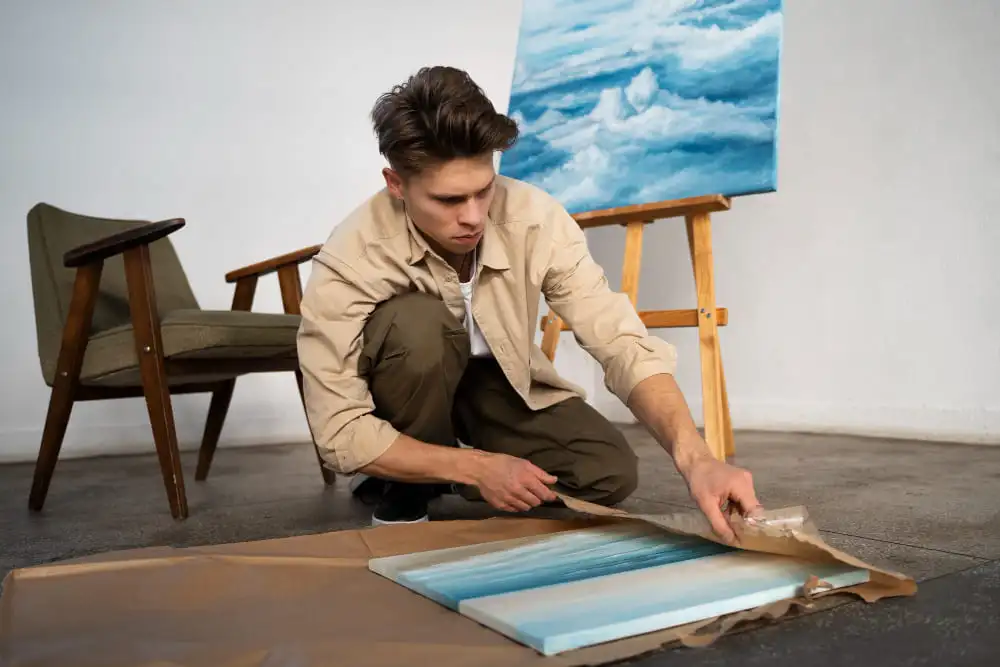
Ensuring Safe and Secure Fine Art Shipping
Fine art shipping isn’t just about moving an item from one place to another. It’s all about really ensuring that the piece moves to the next destination in a safe, clean state and just looks the same as when it left us. Some simple mistakes, like forgetting to pack properly, declining insurance or a last-minute, rushing job, can translate into a lot of time, money and stress. Proper attention and planning, fine art shipping becomes a smooth process. Whether it’s a painting, a sculpture or something more fragile, caring for it properly can make all the difference.
FAQs
Because regular packaging doesn’t protect fragile and valuable artwork from damage.
It’s risky fine art should be shipped by specialists with proper handling experience.
Yes, it protects you in case of damage, loss or accidents during transit.
Export permits, invoices and certificates of authenticity are typically needed.
Use proper packing, climate control and professional art shippers for best results.